Diamonds: A Sweet & Fun Handwritten Font
If you’ve ever scrolled through design resources and paused at a font that feels like a smile in typeform—you’ve probably seen Diamonds. It’s not just another script font. It’s warm, playful, and unmistakably human—like notes jotted down by a friend who loves glitter pens and good coffee.
What Makes Diamonds So Distinctive?
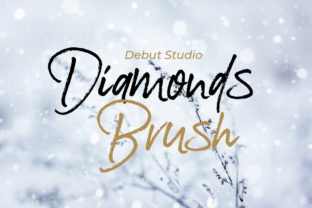
Diamonds is a handwritten display font designed with natural rhythm and gentle irregularity. Its letters have subtle variations in weight, slight slant shifts, and soft entry/exit strokes—details that mimic real pen-on-paper motion. Unlike overly polished scripts, Diamonds embraces imperfection: a lifted baseline here, a looping “g” there, a slightly uneven “t” crossbar. That’s where its authenticity shines.
It’s not meant for long paragraphs or dense reports. Instead, Diamonds excels where personality matters most—headlines, quotes, packaging, social posts, greeting cards, and brand accents. Think of it as the friendly voice behind your visuals—not the narrator, but the one who leans in and says, “Let’s make this joyful.”
Why Designers (and Non-Designers) Reach for Diamonds
You don’t need a design degree to appreciate what Diamonds brings to the table. For beginners, it lowers the barrier to creating something that *feels* intentional and charming—even with minimal tools. Toss it onto a Canva flyer, layer it over an Instagram story background, or use it in a Google Slides presentation—and suddenly, your message gains warmth and approachability.
Professionals love it for branding moments that need heart: a boutique’s seasonal sale banner, a teacher’s classroom welcome sign, a podcast episode title graphic, or a small-batch candle label. Its sweetness isn’t cloying—it’s balanced, legible, and full of quiet confidence.
Entrepreneurs and freelancers often choose Diamonds when they want their visual identity to reflect care, creativity, and sincerity—not corporate stiffness. It quietly signals, “I made this myself, and I care how it feels.”
Real-Life Uses You’ll Recognize
- Small business signage: A handmade soap shop uses Diamonds for its chalkboard-style window sign—paired with clean sans-serif body text—to highlight “New Lavender Mint Bar.” The contrast feels inviting, not chaotic.
- Educational materials: A kindergarten teacher prints Diamonds-based name tags and emotion charts. Kids recognize the shapes easily, and the friendly letterforms reduce visual stress during early literacy activities.
- Digital content: A wellness blogger adds Diamonds to Pinterest quote graphics (“Breathe. Begin again.”), pairing it with muted pastel backgrounds. Engagement spikes—not because of the font alone, but because the tone matches the message.
- Printed keepsakes: Wedding invitations, baby announcements, and birthday party invites gain instant charm with Diamonds used for names and dates—while keeping addresses and logistics in a clear, readable typeface.
Where Diamonds Fits—and Where It Doesn’t
Diamonds thrives in short bursts of emphasis. It’s ideal for headlines, logos (especially wordmarks with 1–3 words), pull quotes, stickers, merch designs, and web banners. But it’s not built for body copy, legal disclaimers, data tables, or interfaces requiring high scanability.
That’s not a limitation—it’s thoughtful design. Every great font has its sweet spot, and Diamonds knows its role. Using it where it belongs makes your work more cohesive and effective. Overusing it—or forcing it into functional roles—dilutes its impact and can even hurt readability.
Practical Tips Before You Start
First, check licensing. Diamonds is often available under personal-use or commercial licenses—make sure yours covers your intended use, especially if you’re designing for clients or selling physical products with the font applied.
Second, pair it wisely. Diamonds sings alongside clean, neutral fonts: think modest sans-serifs like Inter, Lato, or Open Sans. Avoid competing scripts or overly decorative companions—the goal is harmony, not clutter.
Third, test legibility at scale. On mobile screens or printed materials smaller than 24pt, some characters may blur together. Preview on actual devices or print a test sheet before finalizing.
And finally—trust your eye. If a line of Diamonds feels bouncy and bright, you’re likely on track. If it looks cramped or fussy, try adjusting letter spacing (tracking), increasing line height, or reducing the amount of text using it.
A Font With Quiet Confidence
Diamonds doesn’t shout. It winks. It doesn’t dominate—it delights. That’s why it resonates across such a wide range of people: from a student designing their first portfolio website to a seasoned marketer refreshing a brand’s social voice.
Its appeal lies in how effortlessly it bridges intention and emotion. You don’t need to explain why it works—you just *feel* it. A hand-lettered “Thank You” in Diamonds lands differently than the same phrase in Helvetica. It carries presence. It suggests time was taken. It honors the human behind the message.
That authenticity isn’t accidental. It’s baked into every curve, every tapered stroke, every carefully considered alternate glyph (many versions include swashes, ligatures, or stylistic sets for extra flair). When used thoughtfully, Diamonds becomes part of your visual language—not just decoration, but meaning made visible.
Getting Started Is Simple
Most platforms support Diamonds via standard font installation (OTF/TTF files) or cloud-based integrations. It works smoothly in Adobe Creative Cloud apps, Figma, Canva (with upload), and many email and presentation tools. No plugins or special setup needed—just install, select, and let its cheerful energy do the rest.
Start small: replace one heading in your next project. Try it on a social post caption. Use it for a custom Zoom background title. See how it changes the mood—not dramatically, but warmly, reliably, authentically.
Because at its core, Diamonds isn’t about trendiness. It’s about connection. And sometimes, the most powerful design choices are the ones that feel like a shared smile.