Ridiculous
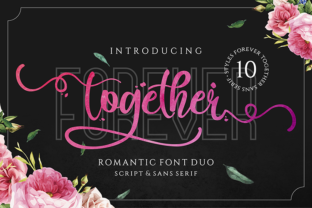
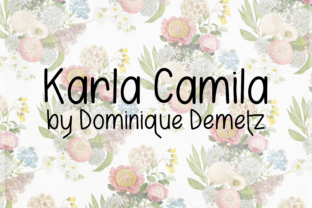
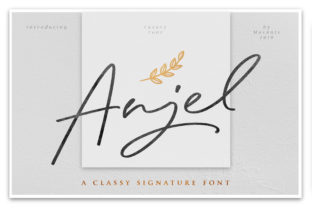
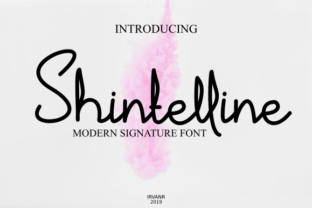
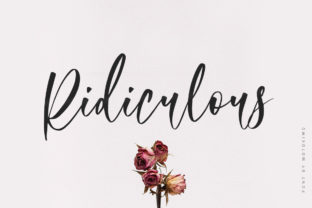
Ridiculous is a modern calligraphy font designed with expressive, romantic energy. It belongs to the script typeface category—characterized by flowing, connected letterforms that emulate handwritten or brush-penned styles. Unlike traditional formal scripts, Ridiculous emphasizes bounce, rhythm, and subtle irregularity, giving it a lively, personable quality. Its design balances elegance with approachability, making it visually distinct from both ultra-refined copperplate fonts and casual handwritten alternatives.
Why Designers and Crafters Consider Ridiculous
People often seek Ridiculous when they need typography that conveys warmth, intimacy, and lighthearted charm without sacrificing legibility or refinement. Common use cases include wedding stationery (invitations, menus, signage), boutique packaging, greeting cards, social media graphics for lifestyle brands, and personal creative projects like journaling or scrapbooking. Its appeal lies not in novelty alone, but in how its visual traits align with specific emotional and functional goals—particularly where “sweet,” “playful,” and “romantic” are intentional design outcomes.
Key Benefits of Using Ridiculous
- Natural flow and rhythm: Letter connections are intentionally varied—not rigidly uniform—which supports readability at larger sizes and adds organic movement to headlines and short phrases.
- High stylistic flexibility: The font includes alternate characters, ligatures, and swashes, allowing users to fine-tune appearance based on context, tone, or layout constraints.
- Strong emotional resonance: Its bouncy baseline and soft curves communicate friendliness and joy more readily than tighter, more structured scripts—making it effective for audience-facing materials where approachability matters.
- Modern sensibility: While rooted in calligraphic tradition, Ridiculous avoids overly ornate or historical flourishes, helping it integrate cleanly with contemporary layouts and minimalist design systems.
Practical Considerations and Tradeoffs
Ridiculous performs best in display settings—typically at 24pt and above—where its expressive details remain legible and impactful. At smaller sizes (e.g., body text or captions under 14pt), spacing and connection subtleties may blur, reducing clarity. Users should also consider contrast: because many glyphs feature delicate terminals and thin strokes, Ridiculous benefits from generous line spacing and ample surrounding white space. On low-resolution screens or in fast-loading web environments, it may require careful font loading strategies or fallbacks to maintain performance and consistency.
Another consideration is licensing. Ridiculous is typically distributed as a commercial font, meaning usage rights vary depending on platform (desktop, web, app) and scale (personal vs. client work). Free alternatives rarely match its specific combination of bounce, romance, and polish—so budget and intended scope matter when evaluating value.
When Ridiculous Is a Strong Fit
Ridiculous suits projects where voice and feeling are central to communication. For example:
- A wedding planner designing custom invitation suites for couples seeking a joyful, non-traditional aesthetic;
- A small-batch candle brand using hand-lettered labels to reinforce artisanal authenticity and warmth;
- An illustrator pairing custom quotes with illustrations for Instagram posts targeting audiences interested in self-care or gentle living;
- A teacher creating classroom posters that feel inviting and uplifting without appearing childish.
In each case, Ridiculous contributes to tone cohesion—its visual language reinforces messaging about kindness, celebration, or tenderness. Its strength lies in amplifying intention, not replacing thoughtful hierarchy or layout decisions.
When Alternatives May Be More Appropriate
Ridiculous is less suited for contexts requiring neutrality, authority, or broad accessibility. For instance:
- Long-form reading: Its connected forms and variable stroke weight make it impractical for paragraphs or user interfaces where sustained legibility is essential.
- Branding with formal or technical positioning: Law firms, financial services, or healthcare providers aiming for trust through clarity and restraint would likely find Ridiculous too expressive for primary logotype use.
- Projects needing multilingual support: Ridiculous typically covers Latin-based languages (English, Spanish, French, etc.) but may lack extended diacritics or non-Latin character sets—important for global or inclusive applications.
- Tight layout constraints: In narrow columns or responsive designs with limited horizontal space, its swashes and wide letterforms can create awkward line breaks or overflow issues unless carefully managed.
Making an Informed Choice
Evaluating Ridiculous requires matching its characteristics to your project’s functional and expressive needs—not just aesthetic preference. Start by clarifying two questions: What role does typography play in this piece? and What impression must the text convey before a single word is read?
If the answer involves evoking delight, intimacy, or spontaneity—and if the application allows for display-size usage with room for typographic nuance—Ridiculous is worth testing alongside other high-quality scripts. Compare it directly against alternatives such as Adorn Display, Sofia Pro Script, or Brittany Signature, paying attention to x-height, spacing consistency, and how easily alternates integrate into your workflow.
Try rendering sample text in realistic contexts: a mock-up invitation envelope, a product label at actual size, or a social graphic with typical image overlay. Observe how Ridiculous behaves across devices and platforms—especially if deploying digitally. Many foundries offer free trials or specimen PDFs; use those to assess real-world performance before purchasing.
Finally, consider sustainability of use. A font that feels fresh today may become overused in certain niches tomorrow. If your project aims for longevity—or if you’re building a brand identity—balance trend-awareness with timelessness. Ridiculous leans toward current stylistic preferences, so ensure its energy aligns with your long-term voice, not just momentary inspiration.
In summary, Ridiculous offers a distinctive blend of romance and rhythm well-suited to emotionally resonant, visually focused applications. Its value emerges most clearly when selected deliberately—not as decoration, but as part of a broader communicative strategy. Understanding its strengths, limits, and appropriate contexts helps ensure it enhances rather than distracts from your intended message.