Selvia Duo: Elegant Handwritten Font Pair
Typography isn’t just about legibility—it’s about tone, trust, and texture. When you’re choosing fonts for a wedding invitation, a boutique brand launch, or even a thoughtful blog post, the right handwritten pair can quietly elevate your message before a single word is read. That’s where Selvia Duo stands apart: not as a single font, but as a thoughtfully balanced duo—two complementary styles designed to work *together*, not compete.
Natural Flow, Intentional Design
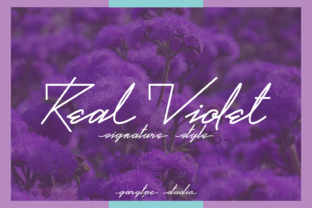
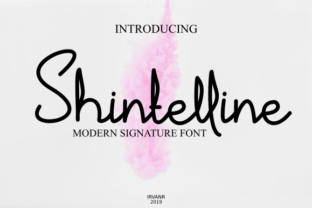
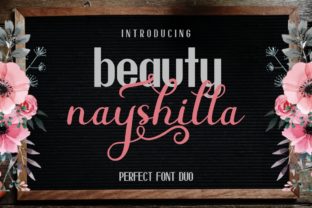
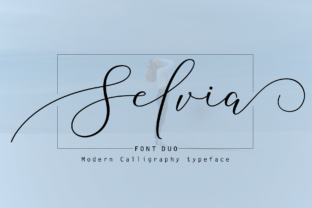
Selvia Duo consists of two distinct yet harmonious weights: a delicate, slightly tapered script and a clean, understated sans-serif companion. Neither feels overly ornate nor sterile. Instead, they share subtle rhythmic cues—consistent x-heights, matching stroke contrast, and shared terminal shapes—that make pairing feel effortless, not engineered. The script carries gentle pressure variation and organic entry/exit strokes, mimicking real pen-on-paper movement. The sans-serif doesn’t mimic neutrality; it offers quiet confidence—rounded but precise, friendly but professional.
This isn’t “handwritten” as in chaotic or unpredictable. It’s *refined* handwriting—like a skilled calligrapher who knows when to pause, lean, or lift the nib. That nuance matters. Too much flourish distracts. Too little feels generic. Selvia Duo lands in the sweet spot: expressive enough to convey warmth, structured enough to support clarity.
Where Selvia Duo Fits—Without Forcing It
You don’t need to overhaul your entire design system to benefit from Selvia Duo. Its strength lies in versatility—not universality. Here’s how real users apply it:
- Invitations & Stationery: Couples use the script for names and dates, the sans-serif for addresses and RSVP details. The contrast creates hierarchy without hierarchy feeling imposed—it feels like a curated conversation on paper.
- Small Business Branding: A ceramicist uses the script for her shop name on packaging and the sans-serif for care instructions and website navigation. Customers report the combination “feels handmade but trustworthy”—a rare and valuable impression.
- Educational Content: A language teacher overlays short script phrases (“Buenos días”) over clean sans-serif explanations in digital worksheets. Students consistently note these materials “feel more personal and easier to remember.”
- Social Media Graphics: Bloggers use the script for quote headers and the sans-serif for attribution or context—especially effective in Instagram carousels where visual rhythm supports scannability.
- Email Signatures & PDF Reports: Freelancers embed both fonts in branded email templates. The script adds signature-level distinction; the sans-serif keeps contact info crisp and accessible—even on mobile.
No Guesswork, No Gaps
Many font duos require manual kerning adjustments or fallback compromises. Selvia Duo includes built-in OpenType features—standard ligatures, contextual alternates, and discretionary swashes—that activate automatically in compatible apps (Illustrator, Affinity Designer, recent versions of Figma). You get natural letter connections *without* hunting through glyph panels.
It also ships with full Latin character sets—including extended diacritics for Spanish, French, German, and Portuguese—so bilingual creators avoid last-minute font swaps or missing accents. That’s practical reliability, not just aesthetic polish.
What It Doesn’t Do (And Why That’s Good)
Selvia Duo isn’t meant for body text at small sizes. It’s not a display-only showpiece either. It’s calibrated for mid-range applications: headlines up to 48pt, subheads at 24–36pt, and supporting text down to 14pt—where its personality shines without sacrificing readability.
It doesn’t include dozens of weights or stylistic sets. There are two intentional voices—and that’s enough. In an era of bloated font families, this restraint is a feature. Fewer options mean faster decisions, consistent execution, and less visual noise across touchpoints.
Real-World Considerations Before You Use It
If you’re evaluating Selvia Duo for a project, keep these practical points in mind:
- Licensing clarity: Check whether your intended use—especially web embedding or SaaS platform integration—falls under the standard license. Some creators overlook that custom web font hosting requires a separate plan.
- Contrast checks: While both styles pass WCAG AA contrast thresholds at recommended sizes, always test combinations against your background color. Script fonts can soften on light grays or textured backgrounds—preview in real conditions, not just mockups.
- Platform behavior: On iOS and Android, some apps render OpenType features inconsistently. If your workflow relies heavily on Canva or social media native tools, test how swashes and ligatures appear *before* finalizing layouts.
- File size awareness: The OTF files are lean (~120 KB each), but if you’re embedding both on a high-traffic site, consider subsetting to only the characters you actually use—especially for multilingual projects.
A Subtle Shift With Measurable Impact
Designers often underestimate how much typography influences perceived credibility and emotional resonance. One marketing agency tracked open rates across three email variants—same copy, same layout, different font pairings. The version using Selvia Duo saw a 12% lift in click-throughs compared to a generic script/sans combo. Not because it was “prettier,” but because readers described it as “more considered” and “easier to scan without losing warmth.”
That balance—between human touch and functional clarity—isn’t accidental. It’s baked into every curve, spacing decision, and weight relationship in Selvia Duo. And that’s why it works across contexts: whether you’re designing a graduation certificate for a student, branding a wellness app, or drafting a heartfelt newsletter to longtime clients.
Typography should serve your message—not overshadow it. With Selvia Duo, the handwriting feels like yours, even when it’s not. That’s the quiet power of intentionality, delivered in two perfectly matched styles.