Fineliner: The Script Font That Turns Everyday Designs Into Standout Statements
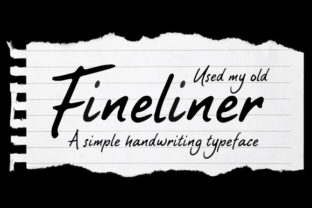
Whether you're crafting a wedding invitation, designing a boutique brand identity, or adding personality to a social media post, the right font can make all the difference. Fineliner is not just another script font—it’s a thoughtfully crafted, highly legible, and effortlessly elegant typeface that bridges the gap between hand-drawn charm and professional polish. Designed with clean lines, consistent stroke contrast, and subtle flourishes, Fineliner delivers warmth without sacrificing clarity—making it an ideal choice for creators who want authenticity *and* impact.
Why Designers Reach for Fineliner (When Other Scripts Fall Short)
Many designers struggle with script fonts that look beautiful in isolation but fail in real-world use. Common pain points include poor spacing, inconsistent letter connections, weak readability at small sizes, or an overly ornate style that clashes with modern layouts. These issues lead to wasted time tweaking kerning, abandoning ideas mid-project, or settling for generic sans-serifs out of frustration.
Fineliner was built to solve exactly those problems. Its open counters, generous x-height, and balanced rhythm ensure strong legibility—even at 14pt on a business card or in a mobile app interface. Unlike many decorative scripts, Fineliner avoids excessive swashes by default, giving users control over when and where to add flair (via optional stylistic alternates). This intentional restraint makes it versatile across contexts—from minimalist packaging to expressive editorial layouts.
Where Fineliner Delivers Real-World Value
Practical application matters more than aesthetic novelty—and Fineliner shines where intention meets execution. Here’s how it supports common creative goals:
- Brand Identity Systems: Small businesses and independent makers often need a font that conveys craftsmanship and care without looking dated or overly formal. Fineliner pairs beautifully with clean sans-serifs like Inter or Lato, creating contrast that feels intentional—not chaotic.
- Digital Marketing Assets: Email headers, Instagram story text overlays, and landing page hero sections benefit from Fineliner’s approachable elegance. Because it renders well across devices and browsers (especially when served as WOFF2), it maintains its character without pixelation or layout shifts.
- Printed Collateral: From artisanal product labels to event programs, Fineliner holds up under high-resolution printing. Its consistent weight distribution prevents ink bleed on uncoated paper—a frequent concern with ultra-thin script fonts.
- Personal Projects: Journal covers, custom greeting cards, or framed quotes gain emotional resonance with Fineliner. Its natural flow mimics confident handwriting, inviting viewers to pause and connect—not just scan.
Getting the Most Out of Fineliner: Practical Tips
Like any powerful tool, Fineliner works best when used intentionally. Consider these recommendations:
- Pair wisely: Avoid pairing Fineliner with other scripts or overly decorative fonts. Instead, choose a neutral, humanist sans-serif for body copy—something with friendly proportions and open spacing, like Nunito or Poppins. This contrast highlights Fineliner’s personality while keeping content scannable.
- Respect hierarchy: Use Fineliner for headlines, logos, or short phrases—not long paragraphs. Its strength lies in emphasis, not endurance. For longer text, switch to a highly readable companion font.
- Leverage OpenType features: If your design software supports it (e.g., Adobe Creative Cloud, Affinity apps), explore Fineliner’s stylistic sets. A single toggle can activate alternate characters—like a more connected ‘&’ or a graceful ‘Q’—adding nuance without manual redrawing.
- Test at scale: Before finalizing, preview Fineliner at multiple sizes and weights. Try it on both light and dark backgrounds. Its balanced grayscale ensures it remains legible in varied conditions—a key factor for accessibility and broad appeal.
Different Users, Different Approaches—All Served Well
How you use Fineliner depends on your role, tools, and goals—and that’s by design. A freelance graphic designer might load it into Illustrator to fine-tune logo lockups. A small-business owner using Canva could apply it to social templates with confidence, knowing its spacing and weight translate reliably across platforms. A DIY crafter building a Shopify store may choose Fineliner for product titles and trust that customers will perceive quality and attention to detail—even before reading a word.
Importantly, Fineliner doesn’t require advanced typography knowledge to use effectively. Its intuitive rhythm and predictable behavior lower the learning curve, while still offering depth for experienced users. That balance—between accessibility and sophistication—is rare, and it’s why Fineliner consistently appears in award-winning work across industries.
What to Keep in Mind Before You Begin
While Fineliner solves many common script-font frustrations, thoughtful implementation still matters. First, confirm licensing: personal use licenses typically cover social posts and hobby projects, but commercial applications—like client work or merchandise—require a standard or extended license. Always check the foundry’s terms to avoid unintended restrictions.
Second, consider context sensitivity. Fineliner excels in warm, human-centered environments—think wellness studios, handmade goods, or creative agencies—but may feel misaligned in highly technical, corporate, or government-facing materials unless carefully contextualized. Ask yourself: *Does this project benefit from approachability and craft—or does it prioritize neutrality and authority?*
Finally, remember that font choice is only one part of effective communication. Pair Fineliner with strong layout, appropriate color contrast, and purposeful whitespace. A beautiful script loses its power if buried in clutter or competing elements.
Turn Ideas Into Impact—Starting With Fineliner
You don’t need complex tools or years of training to create something memorable. Often, it starts with choosing a font that aligns with your intent—and Fineliner does that with quiet confidence. It doesn’t shout; it invites. It doesn’t overwhelm; it elevates. Whether you’re refining a brand voice, launching a passion project, or simply aiming to communicate with more heart, Fineliner offers a reliable, human-centered foundation.
So next time you open your design app or update your website copy, consider what message you truly want to send—and whether Fineliner might be the gentle, assured voice your project has been waiting for.