Shoreline: A Script Font That Balances Charm and Confidence
When you’re designing a logo, crafting an invitation, or building a brand identity, typography does more than convey words—it sets the emotional tone. Shoreline is a script font that stands apart: fun and gorgeous on the surface, yet grounded with a serious, authentic vibe. It’s not just decorative; it’s intentional. Designed for designers, small business owners, marketers, and creatives who value both personality and professionalism, Shoreline bridges the gap between approachability and authority—without compromising either.
What Makes Shoreline Different From Other Script Fonts?
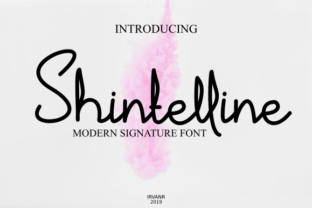
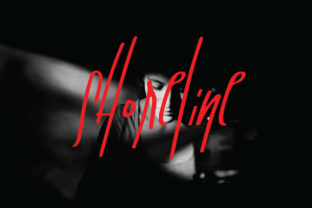
Many script fonts fall into one of two camps: overly playful (think bubbly, bouncy, or cartoonish) or stiffly formal (tight spacing, rigid flourishes, hard to read at smaller sizes). Shoreline avoids those extremes. Its letterforms feature graceful, organic connections, subtle contrast in stroke weight, and carefully considered spacing—giving it rhythm without sacrificing legibility. The lowercase “a,” “g,” and “y” have distinctive yet restrained shapes; the uppercase letters carry presence without shouting. It feels hand-drawn but refined—like a skilled calligrapher who knows when to pause, when to flow, and when to anchor a design in clarity.
Real Challenges Designers and Brands Face Today
Creative professionals often juggle competing priorities: stand out in a crowded digital space *and* earn trust quickly; express warmth *and* signal competence; stay memorable *and* remain versatile across formats—from Instagram bios to printed packaging. Many turn to script fonts hoping to add humanity—but end up with type that looks dated, difficult to scale, or mismatched with their brand voice.
Small business owners face similar pressure. A bakery owner wants their website header to feel inviting—not cold—but also needs customers to believe they bake with skill and consistency. A wellness coach seeks a font that reflects calm and care, yet doesn’t read as vague or ungrounded. In both cases, the wrong script font can unintentionally undermine credibility—or worse, get overlooked entirely.
How Shoreline Helps Solve These Problems
Shoreline works because it meets users where they are: it’s expressive enough to humanize a brand, but structured enough to support serious messaging. Its balanced proportions allow it to scale cleanly from a mobile app icon to a large-format wall mural. Its natural flow invites attention, while its consistent x-height and open counters ensure readability—even in short bursts like social media captions or email subject lines.
Unlike many scripts that rely heavily on ligatures or alternate glyphs to feel “authentic,” Shoreline achieves charm through intelligent design—not complexity. That means less time troubleshooting character substitutions and more time focusing on message and layout. For non-designers using tools like Canva or Squarespace, this simplicity translates directly into confidence: choose Shoreline, pair it thoughtfully, and get results that feel intentional—not accidental.
Practical Applications and What Works Best
- Logos and wordmarks: Use Shoreline for primary brand names where personality matters—especially service-based businesses (photographers, florists, boutique studios) or lifestyle brands. Pair it with a clean sans-serif (like Inter or Montserrat) for taglines or supporting text to create visual hierarchy and balance.
- Event design: Wedding invitations, baby announcements, and milestone celebrations benefit from Shoreline’s warmth and elegance. Its subtle seriousness keeps designs from feeling cutesy—ideal for modern couples or families seeking sophistication with soul.
- Digital touchpoints: Use Shoreline sparingly but purposefully—headers, hero section titles, or CTA buttons on websites. Avoid body text, but leverage it to guide the eye and reinforce brand voice in key moments.
- Packaging and merch: Its confident curves hold up beautifully on labels, tote bags, and ceramic mugs. Because it’s designed with print-ready outlines and consistent ink traps, it reproduces well across materials—from matte paper to glossy vinyl.
Tailoring Shoreline to Your Needs
How you use Shoreline depends on your goals—and your audience. A fashion label targeting Gen Z might use it boldly in all-caps for a campaign headline, then soften it with generous letter-spacing and muted color palettes. A financial advisor serving retirees may opt for smaller sizes, tighter tracking, and pairing with a sturdy serif (like Merriweather) to emphasize stability and experience.
Designers working in branding systems will appreciate Shoreline’s compatibility with modular grids and responsive layouts. Its metrics align well with common typographic scales, making it easier to build consistent systems across web, app, and print. Meanwhile, educators or nonprofit communicators can use it to add sincerity to storytelling—say, in annual report covers or donor thank-you cards—where authenticity drives connection more than polish does.
Smart Considerations Before You Implement
While Shoreline is highly versatile, thoughtful implementation makes all the difference. First, test it across devices: preview how it renders on iOS versus Android, or at 16px versus 48px. Second, consider licensing—ensure your usage (web, desktop, app embedding) matches the license tier you select. Third, avoid overusing it: script fonts thrive in contrast. Let Shoreline shine where it adds meaning—not everywhere.
Also, remember context is king. A tech startup launching an AI tool might find Shoreline too warm for its core messaging—but perfect for its community newsletter or customer appreciation campaign. The font doesn’t need to do everything; it needs to do *one thing exceptionally well*: make people feel seen, respected, and invited in.
Why Shoreline Fits Into Today’s Design Landscape
In an era where algorithm-driven feeds reward speed and clarity—and human attention is fiercely contested—fonts like Shoreline offer something rare: warmth with weight. It reflects a broader shift in design thinking: away from sterile minimalism and toward intentional humanity. It’s not about being “trendy”; it’s about being resonant. When users encounter Shoreline, they don’t just read a word—they sense care, craft, and quiet confidence.
That resonance translates into real outcomes: higher engagement on branded content, stronger recall for small business names, deeper emotional connection with mission-driven organizations. It’s not magic—but it is meaningful typography, done right.
If you’ve been searching for a script font that doesn’t ask you to choose between fun and serious, charm and credibility, or beauty and function—Shoreline is worth your time. Not as a quick fix, but as a thoughtful tool: one that grows with your project, adapts to your audience, and stays true to what matters most—clarity, connection, and authenticity.